
I’m Jofree Shimray.
Over the last two and half decades I’ve worked on multidisciplinary projects ranging from television channel branding and broadcast studios to museums, virtual production systems, corporate spaces, sports and e-sports broadcasts, and realtime digital tools used across live productions internationally.
The projects have involved collaborating with people from very different domains — coders, carpenters, journalists, architects, government officials, fabricators, artists, politicians and production teams across countries, cultures, and time zones. Communication often moved between drawings, chat groups, translators, video calls, and improvised solutions.
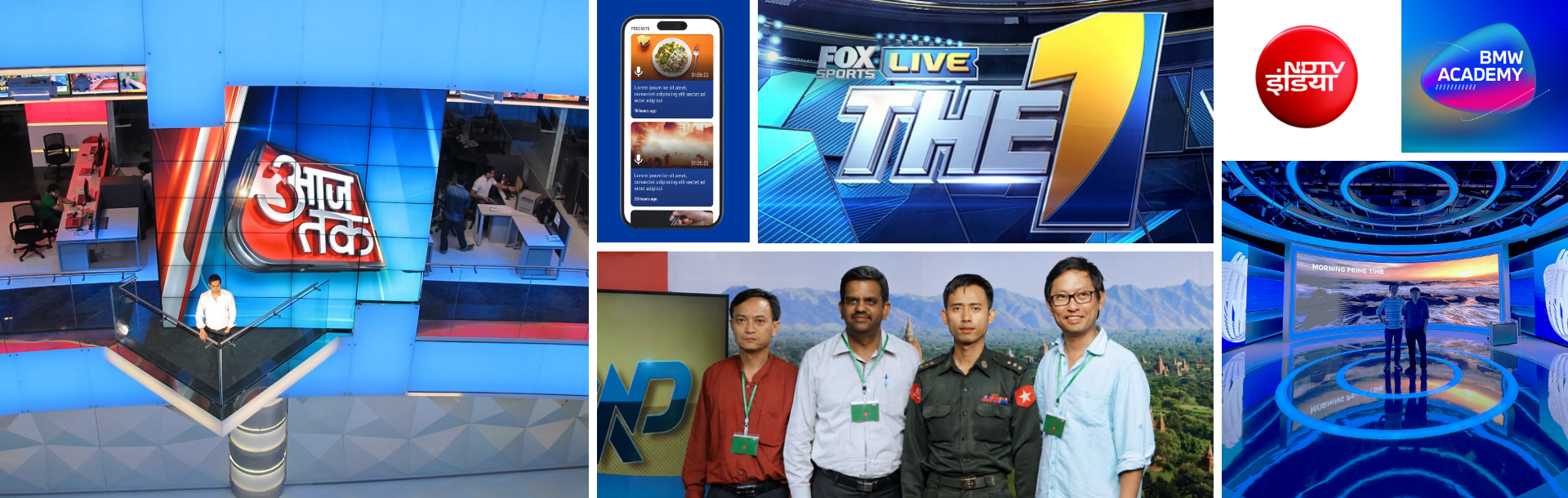
BROADCAST & REALTIME SYSTEMS
Broadcast environments are built around teamwork in ways that are often invisible to the audience. Before anything goes on air, producers, anchors, graphics operators, engineers, camera teams, lighting designers, and editorial staff are all coordinating in real time. Even small disruptions — a delayed guest, failed uplink, missing graphic, or microphone issue — can affect the entire flow of the broadcast.
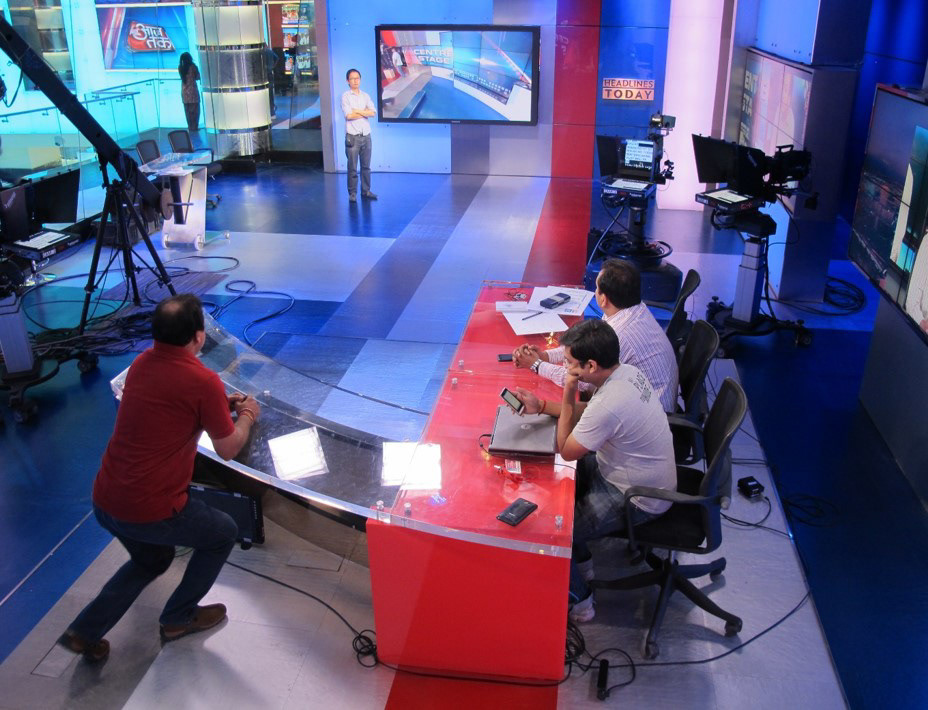
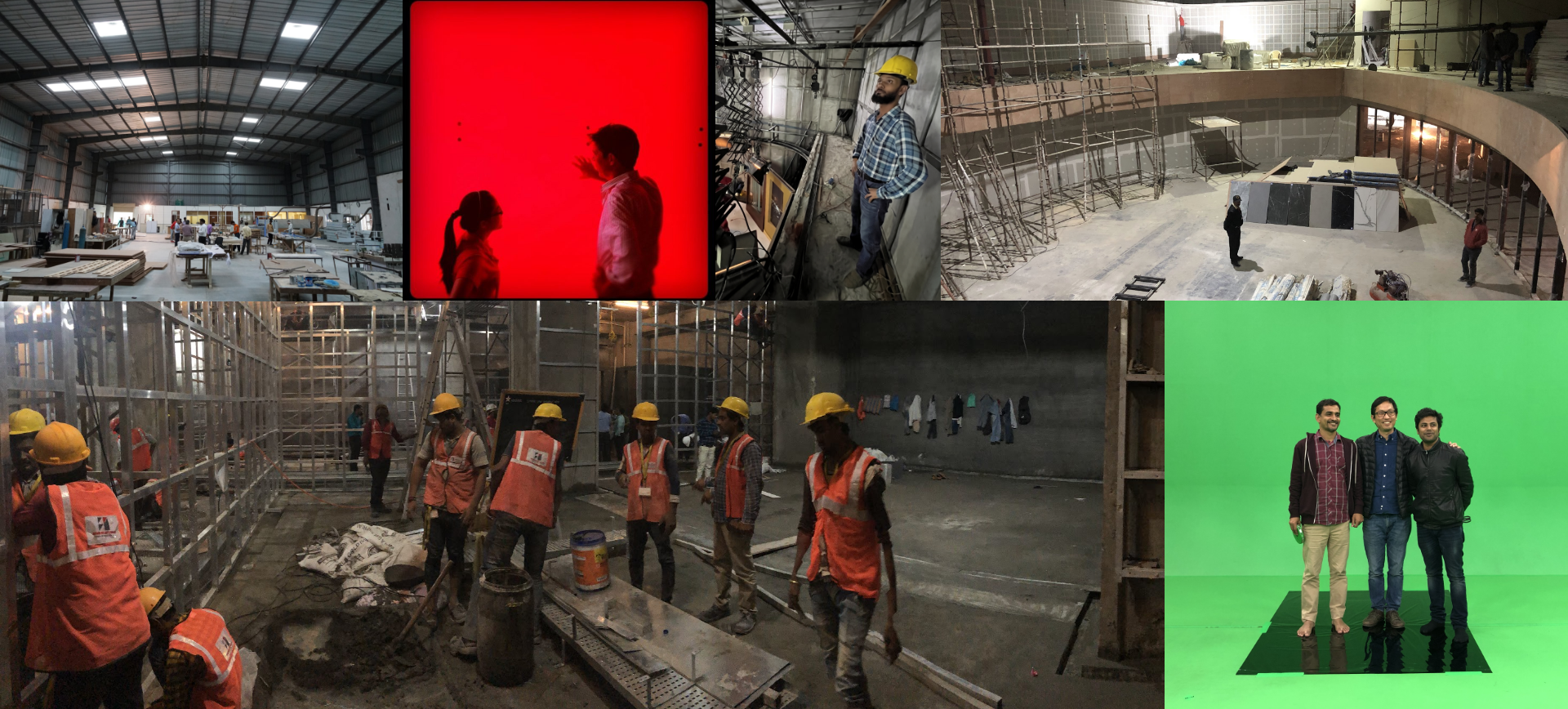
A large part of the role involved designing systems that could survive this unpredictability. The image here was taken during a studio mock-up before launch, where the technical team and I stood in as anchors while testing camera angles, graphics, lighting, and screen layouts. The unfinished setup behind the desk was never meant to be seen on camera, but it was very much part of the process that made the final broadcast possible.
Broadcast graphics exist not only in space, but also in time. The pacing of an animation, the speed of a transition, or even a brief pause before revealing information can change how a story feels.
In live television, graphics constantly compete with anchors, video footage, commentary, and breaking information for the viewer’s attention. A large part of broadcast design therefore becomes deciding when graphics should command attention and when they should quietly support the editorial narrative without disrupting it.
Designing in India often means working across multiple languages, cultural contexts, and audience expectations at the same time. Many projects were executed in regions where English was not the primary language, so collaboration with native speakers became essential when evaluating typography, readability, tone, and visual behaviour.
Visual restraint also shifts from region to region. What felt calm and understated for one audience could feel distant or lacking energy for another. Some clients preferred quieter systems, while others responded to graphics that were faster, denser, and more expressive. Balancing these differences while still keeping information clear became a recurring part of the work.
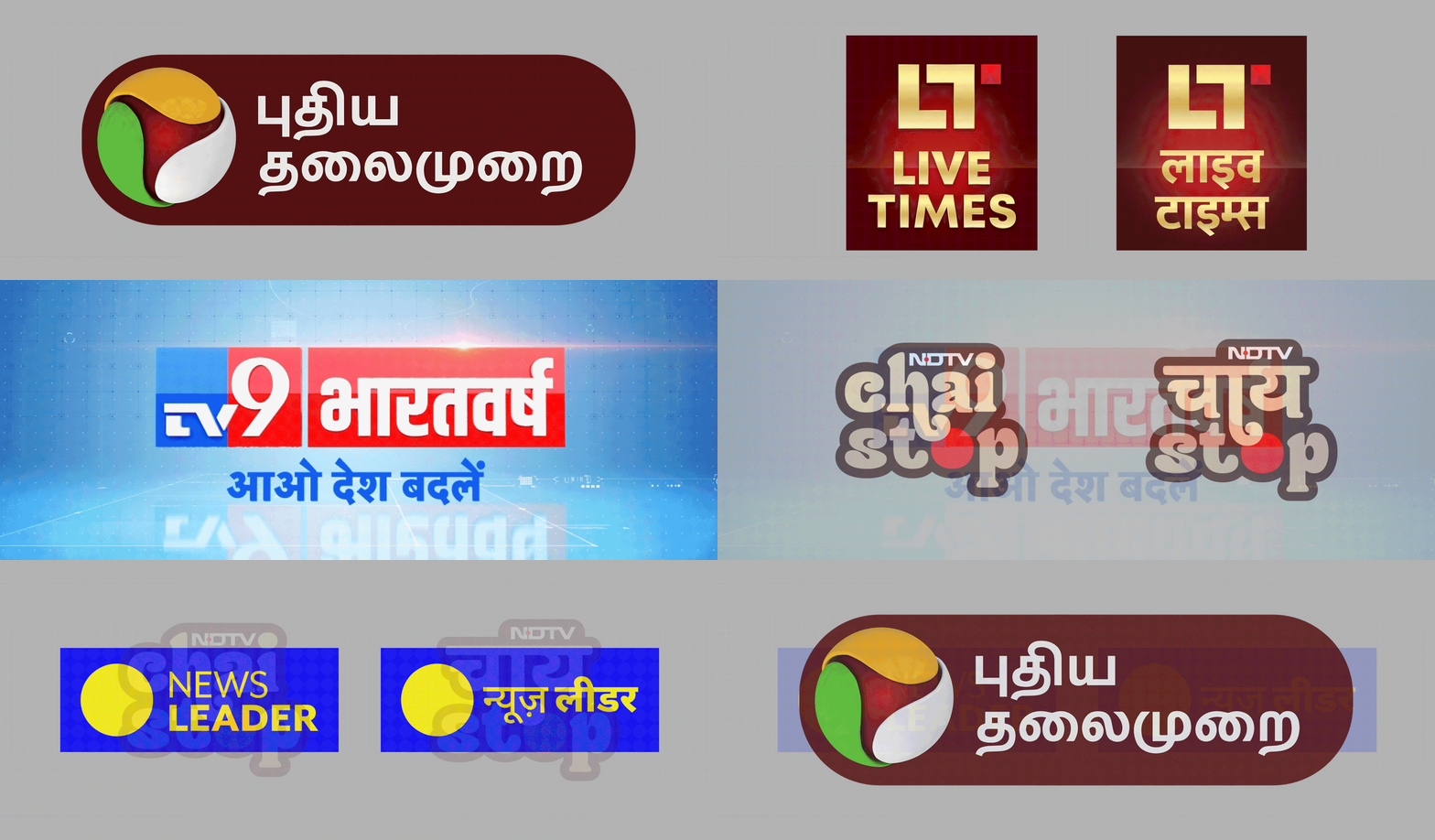
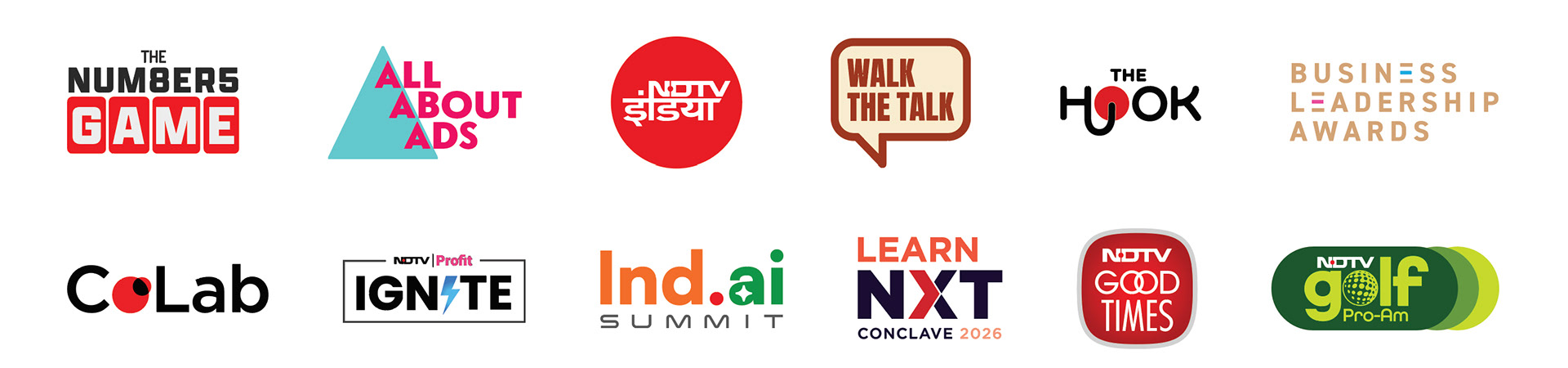
Brand identities developed in 2025-26
MUSEUMS & INTERACTIVE STORYTELLING
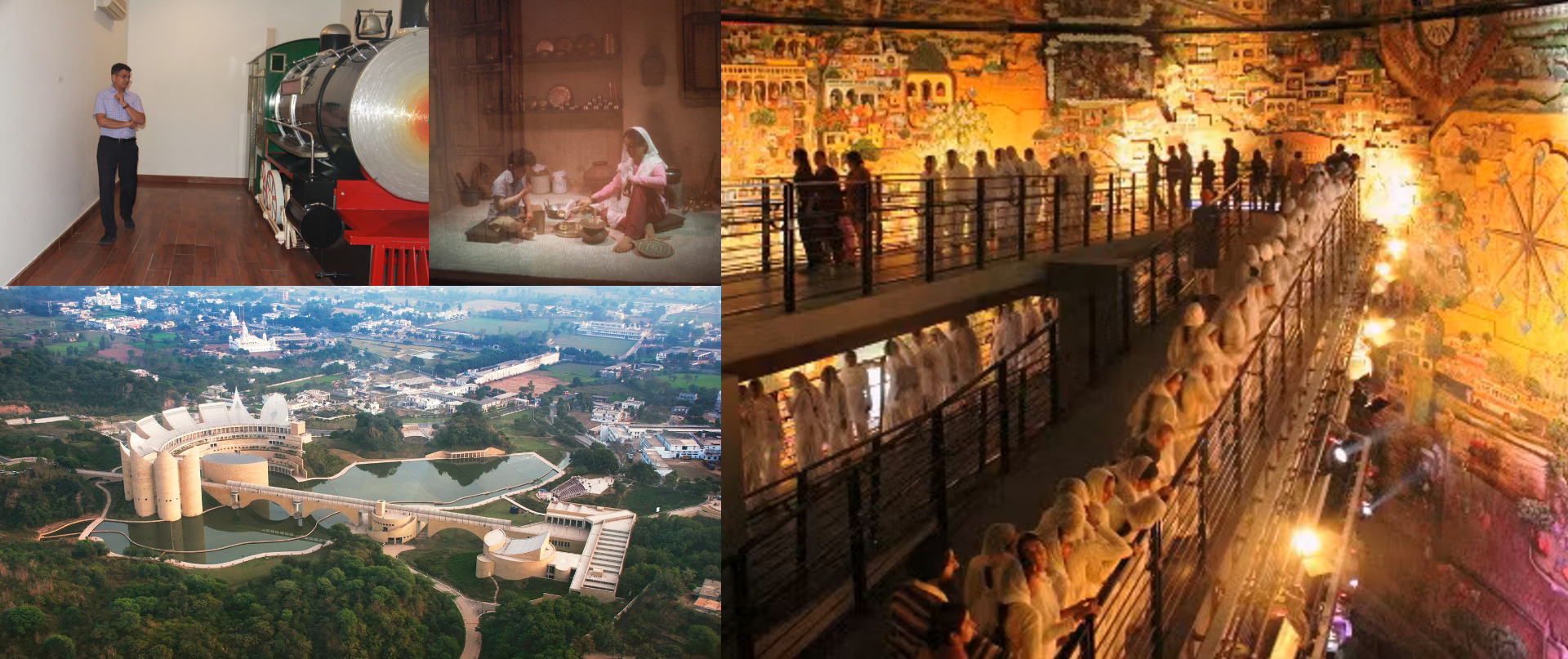
I started my design career while transitioning through design school, working on museum and exhibition projects involving interactive storytelling, touchscreen systems, and spatial sequencing. Many of the ideas explored in those projects — guiding attention through light, scale, movement, and interaction — later continued into my work in different forms.
The projects shown below include early work from the Eternal Gandhi Multimedia Museum (“E-Train”), Virasat-e-Khalsa Museum, and the Sadhu Vaswani Museum. Over the years these spaces evolved beyond their original form, but I was part of the original visualization teams that helped translate concepts, stories, and interactive ideas into spatial experiences during the early design stages.
SPATIAL & EXPERIENTIAL DESIGN
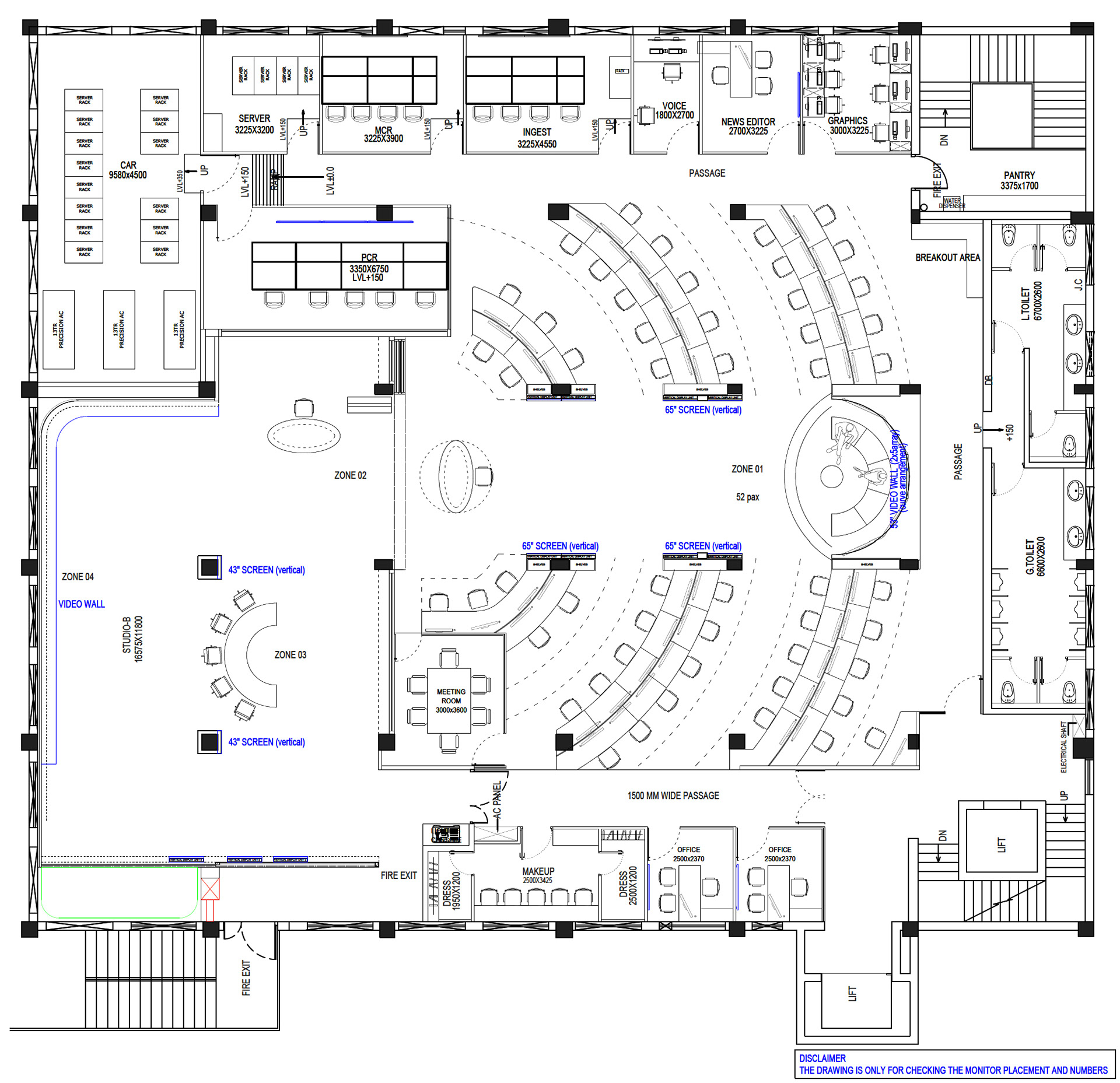
Some spaces are designed primarily for people to work together inside them. In office environments, the challenge is often balancing collaboration with focus — creating spaces where teams can quickly gather, discuss, and respond in real time, while still allowing moments of privacy and concentration when required.
Open collaboration zones, breakout spaces, and standing discussion areas can influence how quickly decisions move through the system. The work often became less about individual objects or rooms and more about how people moved, gathered, interrupted each other, shared information, and adapted under pressure.
Broadcast studios are unusual spaces because they are designed primarily for cameras rather than the people physically inside them. Material choices, lighting, reflections, furniture, and circulation paths are often determined by what the camera sees rather than what feels natural in person.
Many of the studios we designed also needed to remain flexible within limited urban spaces. Some sets were built on wheels with movable walls, collapsable arena seats, screens and cameras on track and programmable lighting systems that allowed the same environment to transform visually for different shows throughout the day.
Virtual studios introduced another layer of complexity where anchors gradually adapted to performing inside green environments that often felt unintuitive or uncomfortable for first-time guests. In many cases, the final space was shaped as much by lenses, camera movement, engineering constraints, realtime rendering systems, and broadcast workflows as by traditional ideas of spatial design.
Large projects often become coordination exercises as much as design exercises. Fabrication, engineering, logistics, technology integration, procurement, installation, and shifting timelines can significantly reshape a project once it moves beyond the concept stage.
Many projects involved close coordination with fabricators, lighting teams, engineers, architects, and technology consultants spread across different countries and time zones. For one studio project in India, we evaluated fabrication teams across both the United States and China before eventually working with a Chinese team because of speed and budget constraints. Communication often relied on translators, sketches, drawings, 3D visualizations, and improvised problem-solving when language or technology became a barrier.
In many situations, the work depended less on any single discipline and more on keeping different systems, teams, and constraints aligned long enough for the project to function.
DIGITAL PLATFORMS & INTERFACES
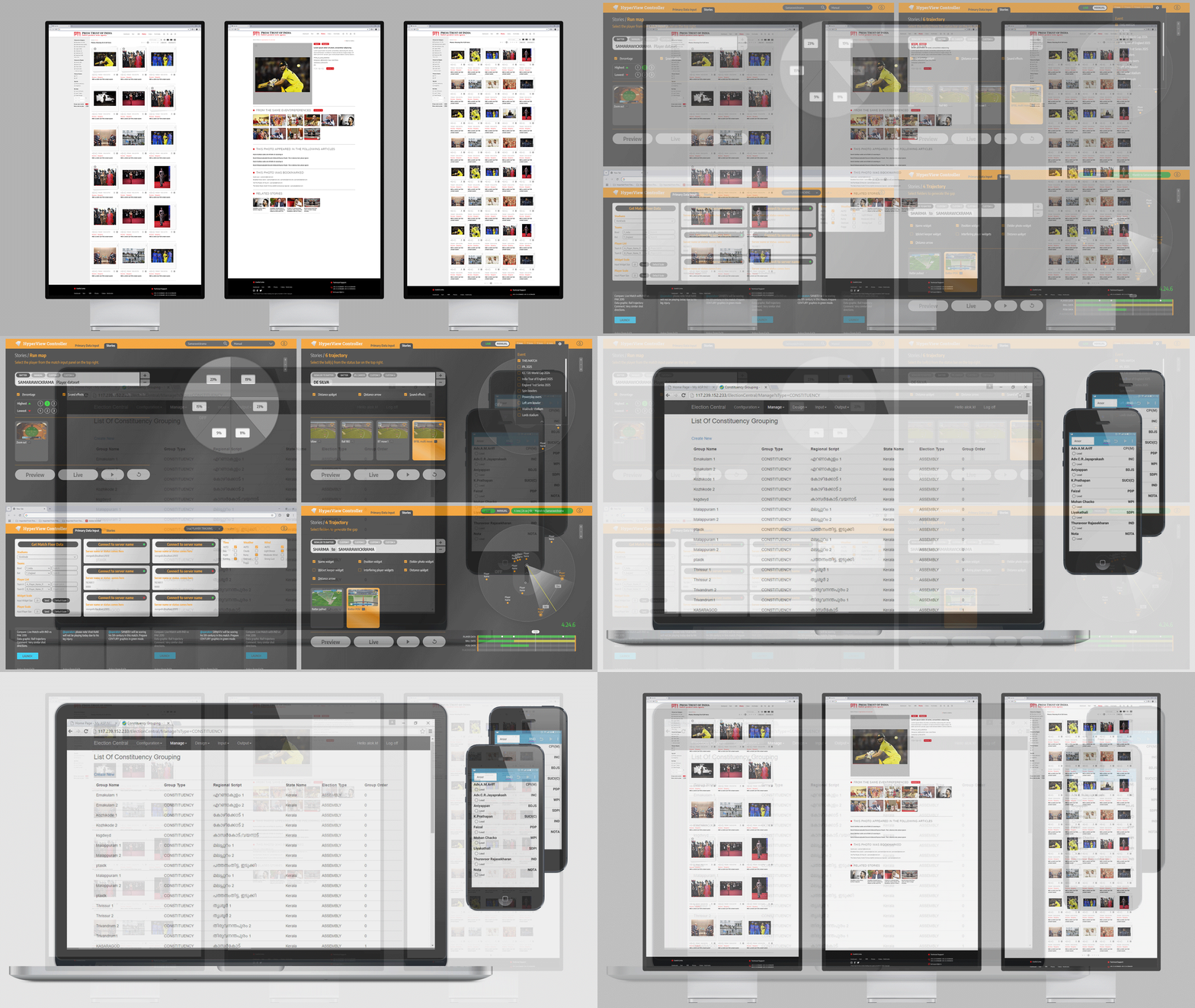
The interface systems shown here (slide show) emerged from environments where people needed to process large amounts of information quickly and under pressure. Unlike consumer-facing apps designed around prolonged engagement, many of these systems were built for journalists, producers, graphics operators, and editorial teams making fast decisions in real time.
Election Central structured live election data arriving from counting stations into a centralized broadcast system. HyperView Controller was developed for live cricket broadcasts where operators often had only seconds to reconstruct ball trajectories and field positions before the next play unfolded on air. The Press Trust of India (PTI) interface handled hundreds of incoming stories, photographs, and videos daily, requiring search and navigation systems that remained visually direct without slowing down newsroom workflows.
Alongside these operational systems, our projects also included consumer-facing platforms, educational interfaces, responsive news websites, and interactive experiences designed for broader public audiences across mobile and web environments. In some cases, the original brief itself evolved during the process - including a delivery training project that began as a printed HR brochure before shifting into a gamified learning system after observing how the end users actually engaged with information.
Alongside these operational systems, our projects also included consumer-facing platforms, educational interfaces, responsive news websites, and interactive experiences designed for broader public audiences across mobile and web environments. In some cases, the original brief itself evolved during the process - including a delivery training project that began as a printed HR brochure before shifting into a gamified learning system after observing how the end users actually engaged with information.

My projects have often moved across disciplines, technologies, and production systems. Many of them evolved through changing requirements, technical constraints, and collaboration between different teams working in parallel.
New tools, realtime systems, and AI-assisted workflows are rapidly changing how ideas are explored, tested, visualized, and sometimes discarded. I’m curious to see where these newer forms of collaboration lead.
If you’re working on something unusual, complex, multidisciplinary, or difficult to categorize, feel free to get in touch.
Thank you!